
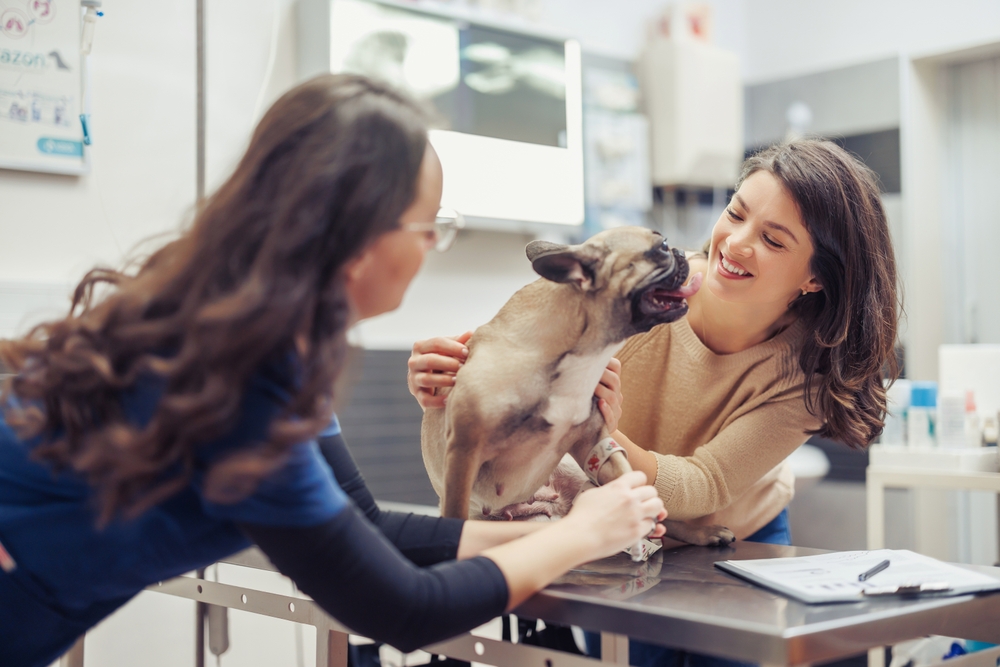
First celebrated in 1993, National Veterinary Technician Week takes place annually in October. Veterinary technicians are critical to the day-to-day function of veterinary practices and play vital roles in preserving animal health and welfare. National Veterinary Technician Week provides an opportunity to recognize veterinary technicians’ contributions in providing high-quality veterinary care and service.
What Are Some Duties and Responsibilities of a Veterinary Technician?
Veterinary technicians are integral members of the veterinary team. They have been educated in the care and handling of animals, the basic principles of normal and abnormal life processes, and in many laboratory and clinical procedures. Veterinary technicians work under the supervision of a licensed veterinarian and assist in performing a wide variety of tasks. However, they cannot diagnose, prescribe, perform surgery, or engage in any other activity prohibited by a state’s veterinary practice act.
Here at Central Texas Animal Hospital (CTAH), a veterinary technician manages many of the same responsibilities that nurses and other professionals perform for physicians. These are some of the many things they are trained to do:
- Gather information about a pet’s medical history
- Compile reports of their observations of an animal’s health and behavior for lead veterinarians to use
- Collect specimens and perform laboratory procedures
- Clean examination tables and rooms
- Provide specialized nursing care
- Provide emergency first aid
- Sterilize equipment and tools
- Prepare animals, instruments, and equipment for surgery
- Administer medications prescribed by a veterinarian
- Administer and monitor anesthesia
- Perform certain diagnostic and medical procedures
- Assist in surgical procedures
- Perform X-rays and assist with other diagnostic imaging
- Educate clients
- Supervise and train practice personnel
- Manage administration duties
What Are Some Joys of a Veterinary Technician?
Vet techs often love it because they get to make a direct, daily impact on animals’ health, form meaningful connections with pets and their owners, and enjoy a dynamic, varied workday that never gets stale.
Techs have a direct impact on your pets’ health. One of the most rewarding aspects is seeing animals recover and thrive. Whether it’s helping a post‑surgery patient go from quiet and painful to playful and energetic, or assisting in diagnosing and treating illness, vet techs know their work contributes to improving quality of life. This tangible result — from running lab tests to assisting in surgery — gives a deep sense of purpose.
Vet techs build meaningful connections, trust, and rapport with both animals and their owners. Many describe the joy of regular patients who “remember you” and the appreciation of pet owners when you help them care for their pets better. These relationships create a supportive community and a sense of belonging.
Every day is different: one moment you might be in surgery, the next running diagnostics, calming a nervous cat, or teaching an owner new care tips. This variety keeps the job engaging and allows for skill growth in areas like critical care, lab work, and emergency response.
Vet techs often connect with a community of animal lovers through clinics, events, and local outreach. The field is also growing, with strong job security and opportunities for advancement.
Veterinary techs frequently highlight the emotional payoff of helping pets through difficult times — from relieving pain to restoring confidence and joy. These moments, combined with the respect of colleagues and clients, make the challenges worthwhile.
In short, many vet techs love their career because it blends animal care, human connection, variety, and personal growth into one fulfilling role
What Are Some Challenges?
Technicians can face burnout and emotional stress. They often perform multiple procedures in short time windows, which can lead to rushed work, reduced accuracy, and physical/mental fatigue. They also encounter compassion fatigue from witnessing suffering and animal emergencies. Sometimes these emotional boundaries challenges can erode job satisfaction.
Because of rapid technological change, vet techs must continuously learn new equipment and software, creating a constant learning curve and adding to workload.
We value veterinary technicians every day of the year
and thank them for all they do!
During National Veterinary Technician Week, we honor our veterinary technicians’ commitment to compassionate, high-quality veterinary care for all animals. These professionals may rely on their listening and communication skills to follow instructions and convey important information to pet owners. Because they collaborate closely with veterinarians and veterinary assistants, they use their skills in teamwork to coordinate their actions to achieve the desired results when caring for animals. Organizational skills allow vet techs to manage their administrative duties effectively and keep track of several treatment plans for multiple animals. Their skills in compassion allow them to communicate with distraught owners and remain professional while helping animals and people feel comfortable.
Please join CTAH to celebrate these important team members.