
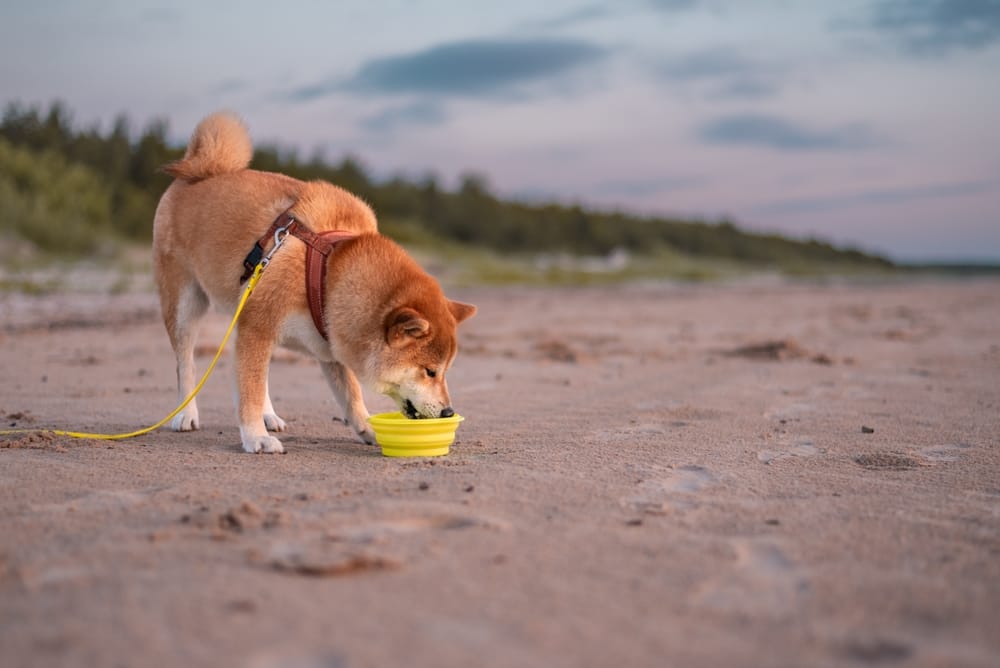
National Pet Hydration Awareness Month is observed every July to highlight the importance of keeping pets well-hydrated and to prevent dehydration-related health issues.
What It Is and When It Is Observed
July is National Pet Hydration Awareness Month, an annual event dedicated to raising awareness about the importance of proper hydration for our furry friends. Just like humans, pets need plenty of water to maintain optimal health. But pet parents often overlook hydration, leading to potential health issues that could easily be avoided.
Let us explore the significance of hydration, the benefits it brings, dehydration signs, and some practical tips to ensure your pet stays adequately hydrated.
By the end, you will have a comprehensive understanding of pet hydration and how to make sure your pet gets the water they need to stay healthy and happy.
Why Hydration Matters
Water is essential for digestion, nutrient absorption, circulation, and temperature regulation. Dehydration can lead to serious health problems, including kidney and urinary tract issues, lethargy, poor appetite, and in severe cases, death. Pets’ bodies contain 60–70% water, making them more vulnerable to dehydration than humans.
Understanding Pet Hydration
Several factors could affect the amount of water your pet needs, so it is crucial to keep this in mind. These include their size, age, diet, and the climate they live in. For example, a large dog will need more water than a small cat, and a pet living in a hot climate will need more water than one in a cooler climate.
It is also important to keep in mind that pets on a dry food diet will need more water than those that eat wet food. This is because wet food contains more moisture than dry food, making it easier for pets to stay hydrated.
Signs of Dehydration in Pets
Common signs include:
- Reduced water intake
- Loss of appetite
- Lethargy or lack of energy
- Dry, sticky gums
- Sunken eyes
- Poor skin elasticity (skin turgor test: skin stays elevated when pinched)
Treating Dehydration in Pets
- If you notice your pet showing signs of dehydration, like low energy, dry gums, or less interest in food, a visit to the vet is in order. The vet will give your pet a thorough checkup and recommend the right course of action. For less severe cases, this might mean adding more water-rich foods to their diet or using pet-specific rehydration solutions.
- For more serious cases, the vet might need to provide intravenous fluids at the clinic. But it is not just about treating the symptoms – it is also about figuring out why your pet got dehydrated in the first place to prevent it from happening again.
How to Help Your Furry Friends
During the month, pet owners can:
- Provide constant access to fresh, clean water. Be sure to change the water daily and clean the bowl regularly to prevent the growth of bacteria.
- Use water fountains or multiple water stations to encourage drinking, especially for cats. These devices encourage drinking through a constant flow of water, which can be particularly appealing to pets that prefer running water.
- Incorporate wet food into the diet, as it contains more moisture than dry kibble.
- Offer hydrating treats like frozen broth cubes or water-rich fruits/vegetables.
- Monitor activity levels and limit exposure to extreme heat. When going out with your pet, especially in hot weather, be sure to bring enough water for both of you.
- Tip: If you notice any dehydration signs, consult your veterinarian promptly. For mild cases, increasing water intake and adding moisture-rich foods can help; severe cases may require veterinary intervention.
Benefits of Proper Pet Hydration
- Keeping your pet properly hydrated has numerous benefits. It aids in digestion and nutrient absorption, ensuring your pet gets the most out of their meals.
- Hydration also contributes to healthier skin and coat and reducing dryness and itchiness. Additionally, well-hydrated pets tend to have more energy and vitality and less risk of urinary tract infection and kidney stones,
- leading to a better quality of life.
Lastly, hydration can aid in weight management, as it helps pets feel fuller, potentially reducing overeating.
Potential Risks of Overhydration
While hydration is important, overhydration can also pose health risks to pets. Overhydration, or water intoxication, can lead to electrolyte imbalances and even life-threatening conditions.
Signs of overhydration include lethargy, bloating, vomiting, and in severe cases, difficulty breathing or loss of consciousness.
If you suspect your pet is overhydrated, seek immediate veterinary attention. To prevent overhydration, monitor your pet’s water intake, especially during activities involving water, like swimming or playing with a sprinkler. Also, be aware that certain breeds, like Retrievers, are more prone to water intoxication due to their love of water.
Hydration Is Key to Pet Health
Understanding and prioritizing your pet’s hydration is a crucial aspect of pet care. From supporting digestion to helping your pet maintain a healthy coat, proper hydration plays a vital role in your pet’s overall health.
Always consult with a vet for personalized advice on keeping your pet hydrated. Remember, a well-hydrated pet is a happy and healthy pet!
By focusing on hydration during National Pet Hydration Awareness Month, you can help keep your pet healthy, comfortable, and safe—especially during hot summer months.