
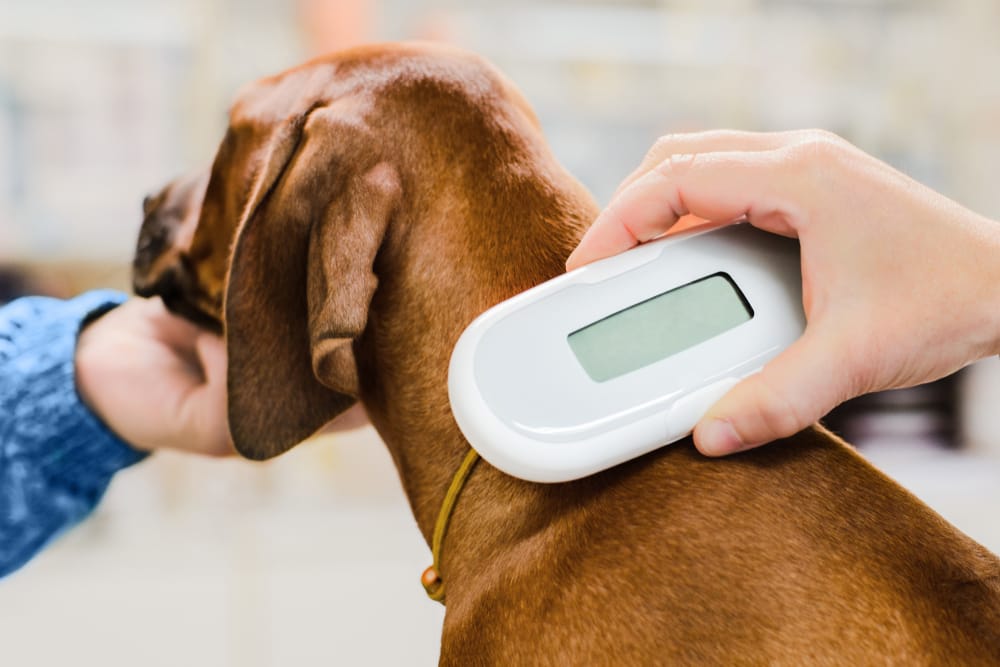
National Microchipping Month is observed in June each year to promote pet safety, reunification, and the importance of microchipping pets.
History
Microchip technology began in the 1950s for human electronics, but by the mid-1980s it was adapted for animals. The first U.S. pet microchips were implanted in 1989, and by the 2000s, advocacy and safety studies helped it become widely adopted.
Purpose and Significance
The observance is dedicated to raising awareness about the benefits of microchipping pets and encouraging owners to have their animals implanted with a permanent, unremovable identification device. Microchips greatly increase the chances of reuniting lost pets with their owners—studies show dogs with microchips are more than twice as likely to be returned home, and cats are over twenty times more likely.
What Is a Microchip?
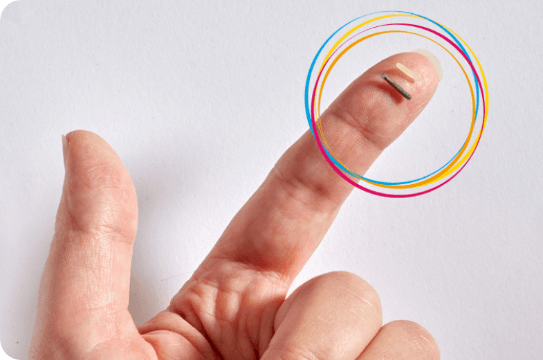
A microchip is a tiny, scanner-activated electronic chip (about the size of a grain of rice) that is placed under your pet’s skin (often between the shoulder blades) by your veterinarian or another approved microchip implanter (like a rescue organization). The chip contains a unique identification number linked to a secure pet ID database where your contact information is stored. A microchip can be inserted during a regular office visit with your veterinarian.
If your pet is lost and turned into a shelter, rescue organization, or veterinary clinic, the microchip will be scanned. As long as your contact information is current, the organization or clinic will be able to contact you and therefore reunite you with your pet.
At Central Texas Animal Hospital, your veterinarian inserts microchips issued by Home Again® (3 Million Pets Reunited | HomeAgain Pet Recovery | HomeAgain Pet Recovery). The purchase and placement cost of your HomeAgain® microchip includes permanent enrollment in and updates to their National Pet Recovery Database. Enrollment connects your contact information to your pet’s unique microchip ID number and allows HomeAgain® to contact you if your pet is recovered. It also allows you to upload a photo and add details about your pet. If someone finds your pet on the street and able to see the physical ID tag on your pet, they can call HomeAgain® who will immediately contact you with location details about your lost pet. The person finding your pet will not receive any of your personal information as all contact will only be between you and Home Again®.
Once the chip has been inserted, it is crucial to make sure your contact information (phone number, home address, etc.) is kept up to date. If your information is not updated as necessary, the organization that found your pet will not be able to contact you. Cats, dogs, horses, birds, ferrets, and even reptiles (depending on their size) can be microchipped.
Key points:
- Not GPS-based — it cannot track a pet’s location in real time.
- Permanent — lasts up to 25 years.
- Safe — a quick, minimally invasive procedure with minimal discomfort.
- Updates matter — keep your contact information current in the database.
Why Get My Pet Microchipped?
There are a multitude of reasons to have your pet microchipped. Most importantly, microchipping increases your chances of having your pet returned to you in a lost-and-found situation. Collars with ID tags may help in some cases, but they are not reliable because they can break, fall off, or be removed. Microchips, on the other hand, are permanently there under your pet’s skin.
According to a study across 53 animal shelters by The Ohio State University College of Veterinary Medicine, of microchipped stray cats and dogs that entered the shelters, 73% of owners were located. It was also found that, of all stray dogs and cats, the median rates of reunion with owners were 2.5 times higher for dogs with microchips and 20 times higher for microchipped cats.
In the United States, some cities, including Houston, Texas, have also made microchipping mandatory for cats and dogs. Austin and surrounding municipalities heavily encourage having your pets microchipped.
Does Microchipping Hurt?
Microchipping is a quick, safe, and simple procedure. A vet uses a hypodermic needle to insert the microchip—which is about the same size as a grain of rice—under the skin, typically between the shoulder blades.
Your pet might feel a brief sting when they receive the injection, but this is completely normal and very similar to getting a regular vaccine shot. In any case, the benefits of getting your pet microchipped far outweigh the moment of minor discomfort they may feel from the injection.
Any Complications of Microchipping?
As with most medical procedures, there is always a small chance of complications occurring due to microchip insertion. Rest assured, though, that it is rare for microchipping to cause any problems, especially if the chip is inserted by a qualified vet.
Is My Information Kept Private?
Yes, your contact information is kept on a secure database owned by the microchip provider. These databases are protected by strict security measures, and the only information on the microchip itself is your pet’s unique identification number. Only approved bodies can access your information to get in touch with you if your pet is found.
June celebrates microchips and is a reminder that a simple microchip can be a life-saving step for your pet’s safety and reunion all year round.